
Home » Liver Surgery (Hepatectomy)
Minimally Invasive Liver Surgery (Hepatectomy)
Understand the procedure, who may be suitable and what to expect during recovery.

Dr Thng Yongxian
Medical Director & Senior Consultant Hepatopancreatobiliary Surgeon
Liver Surgery Specialist
MBBS (SG) • MMed (Surg) • MRCS (Ire) • FRCSEd (Gen) • FAMS (Surg)
Table of Contents
- What Is Liver Surgery?
- Conditions That May Require Liver Surgery
- How Liver Surgery Is Planned
- How Suitability for Surgery Is Decided
- Types of Liver Resection
- Open, Laparoscopic and Robotic Liver Surgery
- Who Performs Liver Surgery
- Before, During and After Surgery
- Recovery and Liver Regeneration
- Risks and Complications
- Alternatives to Surgery
- Cost, MediSave and Insurance
- Frequently Asked Questions
Liver surgery, or hepatectomy, is an operation to remove the part of the liver affected by a tumour, cyst or damaged tissue. It is most often performed for liver cancer, cancer that has spread to the liver and large or symptomatic benign growths.
Types: Wedge resection and segmentectomy for smaller areas, right or left hepatectomy for larger ones
Approach: Open surgery or keyhole (laparoscopic) surgery, depending on the tumour
Hospital stay: Commonly around 5 to 10 days after an open major resection, and shorter after keyhole surgery
Recovery: Most people return to usual routines over about 4 to 6 weeks, although recovery varies with the extent of surgery
Financing: MediSave and Integrated Shield Plans may apply, subject to your policy
The liver has a unique ability to regenerate, which allows a substantial portion to be removed in suitable patients when enough healthy, functioning liver remains.
Have questions specific to your scan or diagnosis? Speak with Dr Thng for a personalised assessment.
What Is Liver Surgery?
Liver surgery is an operation to remove part of the liver. You may also hear it called a hepatectomy or a liver resection. All three terms describe the same thing.
The liver sits in the upper right of the abdomen and performs many important functions, from filtering the blood to producing bile and storing energy. It also has a unique ability to regenerate.
Up to two-thirds of the liver can be removed provided the remaining liver is healthy. This is why the health of the liver that remains matters as much as the tumour being removed and is an important factor in determining suitability for surgery.
Conditions That May Require Liver Surgery
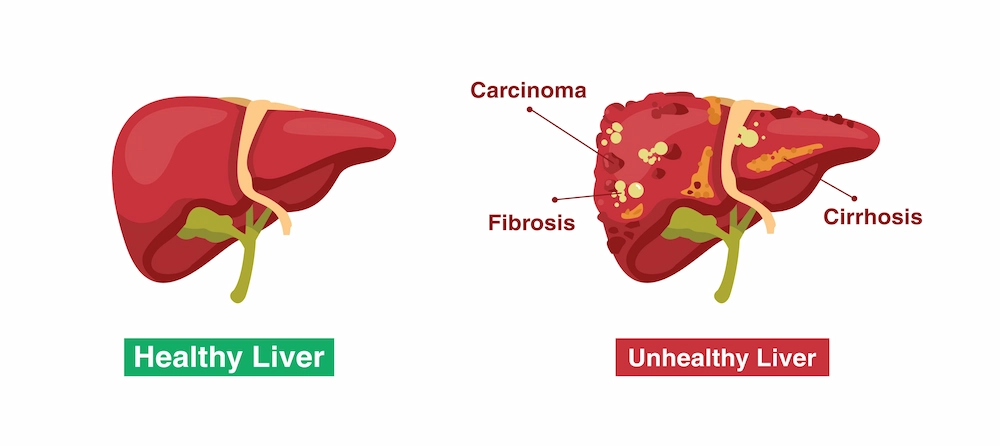
Liver surgery may be considered when a growth in the liver is causing symptoms, has the potential to become cancerous or has already been diagnosed as cancer.
Cancerous conditions
The most common reason for liver resection is cancer:
This includes hepatocellular carcinoma, which begins in the liver cells and is the most frequent primary liver cancer, bile duct cancer arising in the ducts that run through the liver, and secondary liver cancer, where a cancer that started elsewhere in the body has spread to the liver.
Colorectal cancer is the most common source of secondary liver cancer. In selected patients, surgery to remove these deposits can form part of treatment with curative intent.
Non-cancerous conditions
Surgery may also be recommended for certain non-cancerous liver lesions, including large or symptomatic liver cysts, benign tumours such as hepatic adenomas that carry a risk of bleeding or change, and liver abscesses that do not settle with drainage and antibiotics.
However, not every liver lesion requires treatment. Many are found incidentally during a scan for another reason and may only require monitoring.
Conditions such as liver cirrhosis, chronic hepatitis B and C and fatty liver disease are usually managed medically rather than surgically, though they strongly influence whether surgery is safe if a tumour develops.
How Is Liver Surgery Planned?
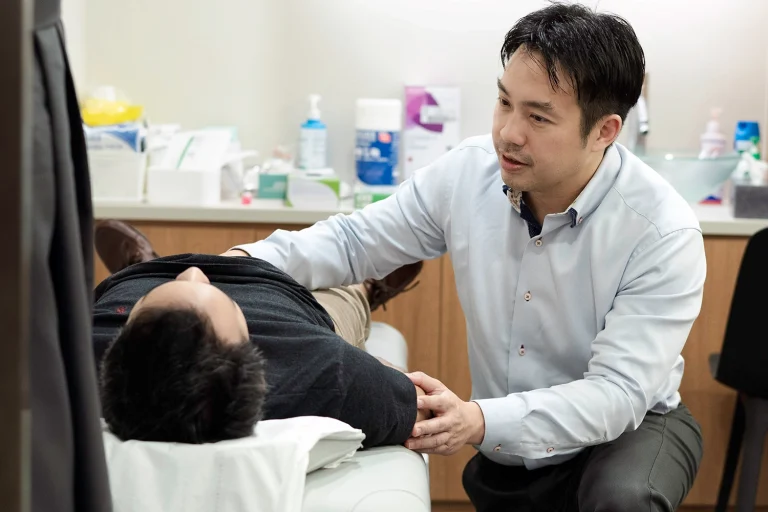
Before deciding whether liver surgery is suitable, the liver and the condition being treated are carefully assessed.
Imaging is the foundation. An ultrasound is often the first scan, while a contrast-enhanced CT or MRI helps plan surgery by showing the size and location of the lesion and its relationship to nearby blood vessels and bile ducts. In some cases, liver volumetry estimates how much liver would remain after resection.
Blood tests assess liver function and may screen for viral hepatitis. Tumour markers such as AFP, CEA or CA 19-9 may also be checked.
A biopsy may be performed to determine the nature of a lesion, but is not always necessary when imaging findings are characteristic.
How Suitability for Surgery Is Decided
This is often the question that matters most, and it rarely comes down to the tumour alone. Four factors are considered together.
How much healthy liver would remain
The portion left after surgery is called the future liver remnant. It needs to be large and healthy enough to support the body while the liver regenerates. A small tumour in a cirrhotic liver can therefore be more difficult to operate on than a larger one in a healthy liver.
How well the liver is working
Liver cirrhosis or chronic hepatitis can reduce liver reserve and increase the risk of complications after surgery.
Where the tumour is located
Tumours close to major blood vessels or bile ducts can be more difficult to remove while preserving enough functioning liver.
Whether the tumour can be fully removed
How many lesions there are and whether clear margins can be achieved. For cancer surgery, the aim is to remove the tumour with a margin of healthy tissue around it.
These decisions may involve input from several specialists, including your surgeon, oncologist and radiologist. Importantly, a tumour that is not suitable for surgery initially may sometimes become suitable after treatment to shrink the tumour or increase the amount of liver that would remain.
Need clarity on your treatment options?

A consultation or second opinion is a reasonable step. Speak to a liver surgeon to review your condition and discuss the possible ways forward.
Types of Liver Surgery
The liver is divided into eight segments, each with its own blood supply and drainage. The type of liver resection is generally described by how much of the liver is removed.
Wedge resection
- Removes a small area of liver around the tumour without following the natural segmental boundaries. It may be used for small, accessible lesions.
Segmentectomy and sectionectomy
- Removes one or more segments along the liver’s natural anatomical divisions, allowing the affected area to be removed while preserving healthy liver where possible.
Major hepatectomy
- Involves removing the right or left side of the liver. An extended hepatectomy removes additional segments when a larger resection is required.
Liver transplantation
- Replaces the diseased liver with a healthy donor liver. It is considered in selected patients, particularly when the underlying liver is severely damaged or when certain liver cancers meet transplant criteria.
The appropriate surgery depends on the size, number and location of the lesions, as well as the health of the remaining liver. This is usually planned before surgery based on imaging and other assessments.
Open, Laparoscopic and Robotic Liver Surgery
Liver resection can be performed through a single larger incision or through several small ones using a camera and fine instruments.
Keyhole liver surgery is used more often than it once was, but it may not be suitable for every tumour. Robotic surgery is a variation of the keyhole approach that uses instruments controlled from a console.
Two points are worth understanding:
- The choice between keyhole and open surgery depends on the tumour and the resection required. Keyhole surgery is used when the tumour can be removed safely with appropriate margins.
- Keyhole surgery may need to be converted to open surgery if bleeding, scar tissue or other difficulties arise. This is done when an open approach is considered safer.
| Open surgery | Laparoscopic (keyhole) | |
|---|---|---|
| Incisions | One larger incision | Several small incisions |
| Typical hospital stay | Often around 5 to 10 days for a major resection | Often shorter |
| Return to routine | Usually longer | Usually quicker |
| Commonly used for | Larger or centrally placed tumours, extensive previous surgery | Smaller, more accessible lesions |
Who Performs Liver Surgery
Liver resection is usually performed by a hepatopancreatobiliary (HPB) surgeon, a subspecialty covering the liver, pancreas, gallbladder and bile ducts. The training matters because the liver contains a complex network of blood vessels and bile ducts, and complete tumour removal has to be balanced against preserving enough functioning liver.
If you are choosing a surgeon, the things worth checking are accreditation with the Specialist Accreditation Board, subspecialty HPB training, the hospitals the surgeon operates at and whether both open and keyhole approaches are available to you.
Before, During and After Liver Surgery
Before Liver Surgery
Before surgery, you will have a consultation to review your scans, medical history and overall health. Blood tests and an anaesthetic assessment may follow.
Your medications will also be reviewed, particularly blood thinners, and you will be asked to fast before the operation.
During Surgery
Liver resection is performed under general anaesthesia, so you are asleep throughout. The duration depends on the extent and complexity of the surgery. During the operation, an ultrasound may be used directly on the liver to locate the tumour and nearby blood vessels and guide the resection.
A drain may sometimes be placed after surgery when clinically needed, but it is not routinely required.
After
You will be monitored closely after surgery, and some patients may require care in a high dependency setting after a major resection. Pain is managed with prescribed medication, while blood tests monitor how the remaining liver is functioning.
Getting out of bed and moving early is also encouraged to support recovery and reduce the risk of complications such as blood clots and chest problems

Recovery and Liver Regeneration
Recovery varies depending on the extent of surgery and the health of the liver beforehand.
- In hospital: Commonly around 5 to 10 days after a major open resection, and often shorter after keyhole surgery.
- First two weeks at home: Feeling of tiredness is common, with light activity and gradual movement encouraged.
- Around 4 to 6 weeks: Many patients gradually return to their usual routines, although strenuous activity and heavy lifting may still be restricted.
- Ongoing: Follow-up appointments and, where surgery was for cancer, surveillance scans based on your treatment plan.
Does the liver grow back?
Yes. The remaining liver begins to enlarge soon after surgery, with regeneration continuing over the following weeks and months. It does not regrow into exactly the same shape, but the remaining liver increases in size and function.
This ability to regenerate is what allows a substantial portion of the liver to be removed in suitable patients.
Risks and Complications
Liver resection is major surgery and, like any operation, carries risks. Your surgeon will discuss these with you based on your individual health and the extent of surgery.
Possible risks include bleeding, infection, bile leakage and blood clots. These are monitored for and steps are taken before and after surgery to reduce the risk.
A less common but important risk is post-hepatectomy liver failure, where the remaining liver does not function adequately after surgery. Careful assessment of the future liver remnant helps determine whether enough healthy liver will remain before surgery proceeds.
Where surgery is performed for cancer, there is also a possibility of recurrence, which is why regular follow-up and surveillance scans may be recommended.
Alternatives to Liver Surgery
Not every liver tumour requires surgery, and not every patient is suitable for an operation. Depending on the type, size and stage of the tumour, as well as the health of the liver, other treatments may be considered.
Ablation uses heat to treat selected small liver tumours without removing part of the liver. Transarterial treatments, such as TACE and TARE, deliver treatment through the blood vessels supplying the tumour. Systemic treatments, including targeted therapy and immunotherapy, may also be considered depending on the type and stage of cancer.
Liver transplantation may be considered for selected patients with certain liver cancers and underlying liver disease. Where appropriate, your surgeon can discuss whether referral to a transplant programme is needed.
Cost, MediSave and Insurance
The cost of liver surgery in Singapore depends mainly on the type of resection, the hospital and the complexity of the case. MediSave may be used towards the procedure and Integrated Shield Plans may cover part of the cost, subject to your policy and ward class. Our clinic can assist with insurance pre-authorisation and documentation.
For a breakdown by procedure, read on the cost of liver surgery in Singapore.
Seeking Clarity on Your Treatment Options?
Speak to a liver surgeon to review the scans, discuss whether surgery may be suitable and understand the possible ways forward.

The specialist leading your care
Dr Thng Yongxian
Medical Director, Senior Consultant Hepatopancreatobiliary Surgeon
20+ Years of Experience
MBBS (SG) • MMed (Surg) • MRCS (Ire) • FRCSEd (Gen) • FAMS (Surg)
Dr Thng Yongxian is a dual fellowship-trained HPB and general surgeon specialising in minimally invasive surgery for liver, pancreas, gallbladder and bile duct conditions.
Formerly Clinical Lead for his institution’s HPB Surgery department, Dr Thng helped advance the use of laparoscopic (minimally invasive) techniques in complex HPB surgery
He completed a clinical fellowship at Singapore General Hospital and Seoul National University Bundang Hospital and is a Fellow of the Royal College of Surgeons of Edinburgh and the Academy of Medicine, Singapore.
Committed to value-driven care, Dr Thng has contributed to national efforts to improve surgical outcomes and reduce patient costs. He remains active in education and research, having trained future surgeons and presented internationally.
Patients under his care receive careful evaluation and individualised treatment planning based on their clinical condition and overall health.
Keyhole Surgery Expertise
Focused on Patient Safety
Timely Access to Care
Support with Insurance Pre-Authorisations
Frequently Asked Questions
When Is Liver Cancer Considered Operable?
Liver cancer may be considered operable when the tumour can be removed while leaving enough healthy, functioning liver behind. Its size, number, location, involvement of major blood vessels, whether it has spread and the overall health of the liver are all considered.
What Happens if the Tumour Cannot Be Removed?
Other treatments such as ablation, transarterial therapy or systemic treatment may be considered. In some cases, treatment may also make surgery possible at a later stage, so suitability can be reassessed.
Can You Live a Normal Life After Liver Surgery?
Yes, many patients return to their usual activities after recovery. The liver can regenerate after surgery, although long-term health also depends on the amount and condition of the remaining liver and the reason surgery was required.
Can Liver Cancer Come Back After Surgery?
Yes, liver cancer can recur after surgery. The likelihood varies depending on the type and stage of cancer, tumour characteristics and underlying liver health. Regular follow-up and surveillance scans are therefore usually recommended.
Will I Need Chemotherapy After Liver Surgery?
Not everyone requires chemotherapy or other cancer treatment after liver surgery. This depends on the type of cancer, the findings after surgery and whether there is disease elsewhere in the body. Your treatment team will advise whether additional treatment is recommended.
Can I Live Without Part of My Liver?
Yes. The liver has a unique ability to regenerate, allowing part of it to be removed when enough healthy, functioning liver can be safely preserved.
When Can I Return to Work After Liver Surgery?
This varies depending on the extent of surgery, whether it was open or keyhole and the type of work you do. Some patients may return to lighter duties within several weeks, while recovery after a major resection can take longer.
Will I Need to Change My Diet After Liver Surgery?
Most patients do not need a permanent special diet solely because part of the liver has been removed. During recovery, you may be advised to eat balanced meals and gradually return to your usual diet based on your appetite and recovery.
Can Liver Surgery Be Performed More Than Once?
In selected patients, repeat liver surgery may be possible if a new or recurrent tumour develops. Whether another resection is suitable depends on factors such as its location, the amount of healthy liver remaining and the patient’s overall health.
Corporate & Personal Insurance Plans
Our Clinic Location
@ Gleneagles Hospital Annexe Block
Precision Surgical Centre @ Gleneagles Hospital Annexe Block
- 6A Napier Road, #03-32 Gleneagles Annexe Block Singapore 258500
- (65) 9838 5827
- (65) 9838 5827
- gleneagles@precisionsurgicalcentre.com
-
Mondays to Fridays: 9.00am - 5.00pm
(Lunch: 1:00pm - 2:00pm)
Saturdays: 9.00am - 1.00pm
Sundays & PH: Closed
Need help navigating your health?
If you’re experiencing symptoms or want to understand your treatment options, our team is here to help. Reach out to us by completing the form below or call us at +65 9838 5827