
Table of Contents
Toggle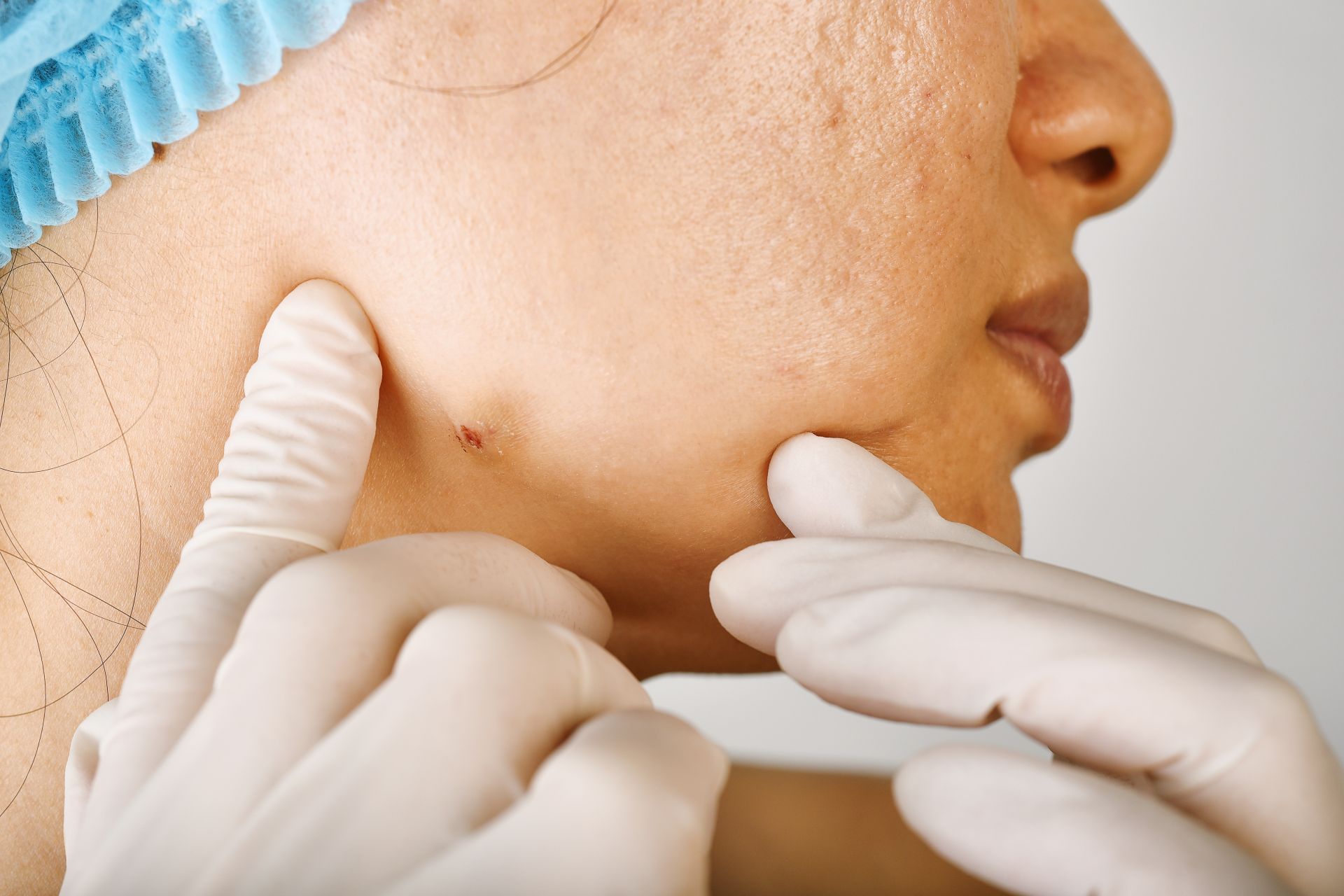
Removing a sebaceous cyst can be a relatively simple procedure. Because these growths can lead to painful infections, many people prefer to have them treated as soon as possible.
If that is the case, why does the chance of the growth returning persist? Will your cyst come back, and how can you ensure you remove it with more certainty?
Our guide outlines why these skin growths recur, the best ways to prevent them from coming back, and the necessary post-procedure care. We aim to provide confidence for those considering sebaceous cyst removal to improve their skin health.
What Causes Sebaceous Cysts to Form?
Understanding the reasons for recurrence begins with a clear look at why these growths develop. Knowing what a sebaceous cyst is and identifying its triggers helps in choosing the right treatment:
- Blocked Sebaceous Glands: Oils and skin cells become trapped when a follicle is obstructed, resulting in a fluid-filled lump under the skin.
- Skin Injuries: Punctures, scratches, or surgical wounds can damage the oil glands, causing a pocket of fluid to form as a result of the trauma.
- Genetic Predisposition: Hereditary factors or rare conditions can make certain individuals more prone to recurrent skin issues.
- Medical Conditions: Pre-existing skin conditions, such as acne, increase the likelihood that follicles will become blocked and form a growth.
Why Do Some Sebaceous Cysts Reappear After Removal?
In some cases, a successful sebaceous cyst removal does not guarantee that your cyst will not come back. Why does that happen? Recurrence typically relates to one of the following factors:
1. Incomplete Removal
The most common reason for a sebaceous cyst returning is that the surgical wall, or sac, was not entirely removed. If you drain only the contents but leave the balloon behind, it will eventually fill up again. Small fragments of this delicate wall can regenerate over time, leading to new blockages.
This issue is much more common when you attempt to draw out fluid at home, as squeezing only empties the contents while leaving the root intact, no matter how thorough you are.
2. Infection and Inflammation
Removing a growth while it is actively infected or severely inflamed is technically challenging. Inflammation makes the cyst wall more fragile and prone to rupturing during the procedure. If the sac breaks into pieces, a surgeon may find it difficult to identify and excise every fragment, increasing the likelihood that a small piece remains to form a new lump under the skin.
3. Location of the Cyst
The location of the growth on your body influences how a doctor will attempt to remove your sebaceous cyst safely. Areas with a high concentration of oil glands, such as the face or scalp, are naturally more prone to recurrence.
Furthermore, in areas where the skin is very thin or the growth is adhered to surrounding tissues, achieving a clean excision without leaving microscopic cells behind is more complex.
4. Underlying or Genetic Conditions
Some individuals possess a genetic predisposition that makes them more susceptible to skin blockages. Rare conditions like Gardner’s Syndrome or hormonal imbalances can cause multiple growths to develop in the same region.
While surgical excision addresses the current issue, these underlying factors mean your body may continue to produce new growths, appearing as though the original one has returned.
Signs Your Sebaceous Cyst Might Be Returning
Detecting a recurrence early can make a second procedure more effective. Keep a close watch on the surgical site for these indicators:
- A new lump or swelling developing at or near the original scar.
- Persistent redness or a feeling of warmth in the area.
- Unexpected drainage or discharge from the site after it has supposedly healed.
- Increased pain or tenderness when the area is touched.
- Signs of a localised infection, such as spreading redness or fever.
The Dangers of Manual Sebaceous Cyst Removal
Should you attempt to draw out your new sebaceous cyst from home with DIY methods? The answer is a clear no.
Recurrence often happens because a previous removal attempt was incomplete or resulted in an infection. If you try to find out how to remove a sebaceous cyst by yourself, you risk reinfecting the wound or causing the sac to rupture internally.
Proper surgical removal addresses the root cause of recurrence. Removing the sac entirely prevents the cyst from refilling, offering the highest chance of a permanent solution compared to simple drainage or squeezing.
How You Can Support a Smooth Recovery
No single method can guarantee that a lump on your skin will not return, but certain precautionary measures significantly reduce the risk of recurrence.
- Remove the growth before it becomes inflamed: Infected or irritated growths are much harder to excise cleanly; treating them early prevents complications.
- Avoid squeezing or DIY home treatments: Manipulating the area can cause the sac to rupture under the skin, making complete removal nearly impossible later.
- Find an experienced surgeon: Seek a specialist experienced in sebaceous cyst removal in Singapore who regularly performs these procedures and understands how to remove the sac intact.
- Follow proper wound care: Keeping the surgical site clean and following all postoperative instructions helps ensure the skin heals properly and reduces the risk of new blockages.
Diligent patient care is essential for the best long-term outcomes. By working closely with a medical professional, you can ensure that your skin remains clear and healthy well after the procedure.
Find Effective Sebaceous Cyst Removal in Singapore
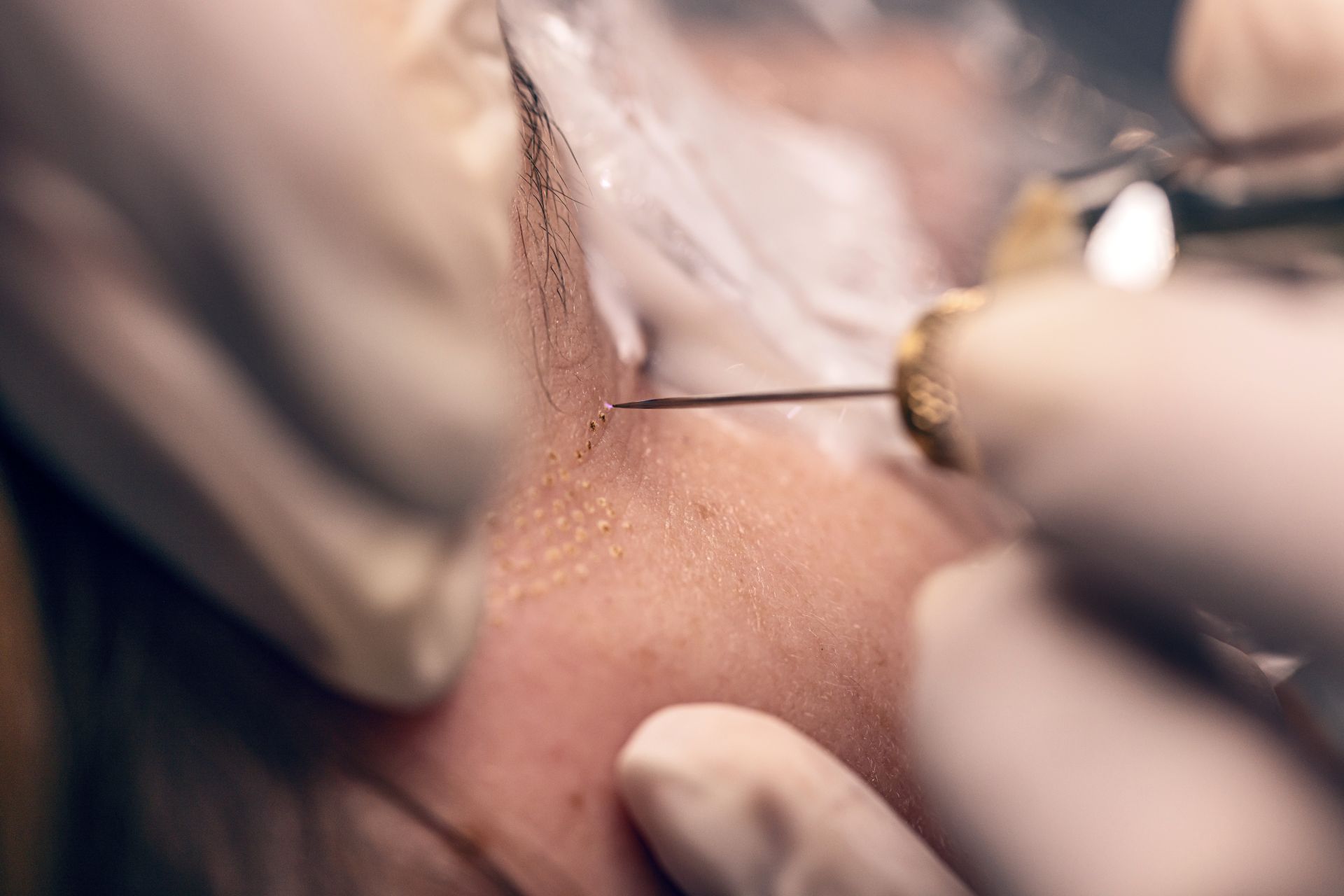
Consulting a medical professional is the safest way to remove a sebaceous cyst and prevent it from returning. While it may be tempting to wait, early intervention allows for a cleaner excision before any painful infection or inflammation develops.
A sebaceous cyst removal specialist can provide treatment tailored to your specific condition, ensuring a more thorough excision of the sac. This professional approach significantly reduces the likelihood of the cyst refilling or causing future discomfort.
Take the first step toward clear skin. Book a consultation with Dr Thng Yongxian today to discuss safe removal options and a personalised aftercare plan.