
Table of Contents
Toggle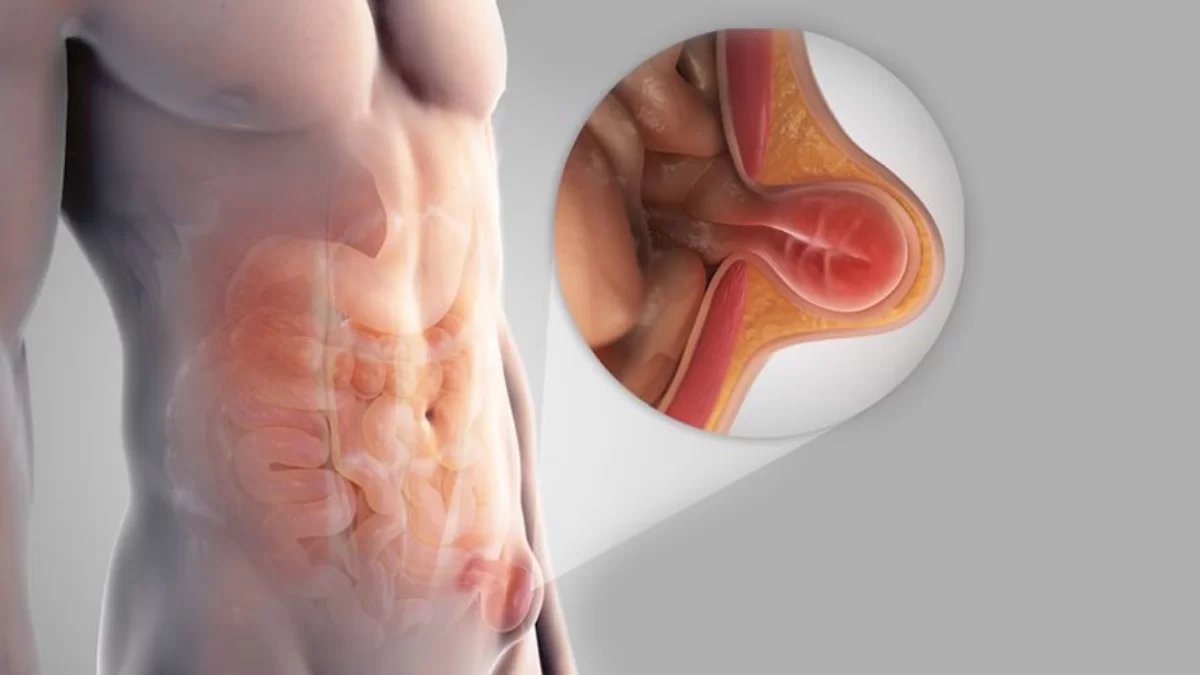

Dr Thng Yongxian
Medical Director, Senior Consultant Hepatopancreatobiliary & General Surgeon
Specialist in Hernia Surgery
MBBS (SG) • MMed (Surg) • MRCS (Ire) • FRCSEd (Gen) • FAMS (Surg)
Table of Contents
- Why Can Hernias Be Harder to Recognise in Women?
- Femoral Hernias: Why They Matter in Women
- What Symptoms Should Women Look Out For?
- Pregnancy and Hernias in Women
- Previous Surgery Can Also Increase the Risk
- How Are Hernias Diagnosed in Women?
- When to Seek Treatment
- Getting Clarity of Your Diagnosis Matters
- Final Thoughts
Hernias are usually known as a visible lump that appears in the abdomen or groin area. However, for women, the signs can be a lot less obvious, so it’s important to know the symptoms to look out for.
A hernia may cause some pelvic pressure, intermittent groin discomfort or a dull ache without producing a noticeable lump, which makes it easier to associate the symptoms with something else.
This can be particularly relevant with groin hernias, as symptoms may overlap with common gynaecological, muscular, or hip-related problems. Femoral hernias also deserve particular attention because they occur more frequently in women and have a greater risk of being trapped.
Knowing exactly how hernias can present themselves in women can make it much easier to notice and get assessed by a professional if needed.
Why Can Hernias Be Harder to Recognise in Women?
A visible lump is one of the symptoms most people usually associate with a hernia, but not every hernia has obvious swelling.
Women might experience pain or pressure around the pelvis, groin or lower abdomen rather than a clearly defined lump. Symptoms can get worse when standing for long periods, coughing or lifting, then they can settle again when lying down.
There is quite an overlap between hernia symptoms and other conditions affecting the pelvis and lower abdomen. Groin discomfort may be initially linked to a muscle injury, hip problem, pelvic floor issue or gynaecological condition. This means that pelvic pain may not necessarily be caused by a hernia, but it could be one possibility.
Femoral Hernias: Why They Matter in Women
Femoral hernias develop through a weak point in the lower abdominal wall, with the hernia appearing in the upper thigh just below the groin. They are less common than inguinal hernias, but occur more frequently in women.
They can be missed sometimes because the swelling may sit below the groin crease rather than where you’d expect a typical groin hernia to appear. In some cases, there may be little or no obvious lump. It’s important to look out for signs of femoral hernias because they have a higher risk of incarceration or strangulation.
Incarceration happens when the hernia becomes trapped and can’t return to its normal position, and strangulation occurs when the blood supply to the trapped tissue is compromised, so urgent medical treatment is needed.
For all of these reasons, persistent groin symptoms in a woman shouldn’t be automatically dismissed, even if there is no swelling.
What Symptoms Should Women Look Out For?
Hernia symptoms can vary depending on the type and location of the hernia. Some women might notice a distinct lump, whilst others might experience discomfort without any visible bulge on the skin.
Here are some of the possible symptoms:
- A bulge in the groin, abdomen or around the belly button
- Aching or discomfort in the groin
- Pelvic pressure or a sensation of heaviness
- Pain that becomes more noticeable when coughing, lifting or straining
- Discomfort after prolonged standing
- Pain extending towards the upper thigh or lower abdomen
- A pulling or dragging sensation
- Symptoms that improve when you’re lying down
A lump that appears when standing or coughing, but disappears when lying down, can suggest a hernia, but having no lump doesn’t rule it out.
Persistent or recurring symptoms should be checked by a medical professional.
Pregnancy and Hernias in Women
Pregnancy can put additional pressure on the abdominal wall as the uterus grows, and the abdominal muscles undergo a lot of changes during this time. This can make an existing weakness feel even more noticeable.
Umbilical hernias occur around the belly button and may become apparent during pregnancy. Previous pregnancies can also contribute to changes in the abdominal wall that might make a hernia easier to notice.
The timing of the treatment is important to consider too, because the decision about whether and when to repair an abdominal wall hernia needs to take future pregnancies into account.
Previous Surgery Can Also Increase the Risk
Not all hernias happen naturally in the groin or around the stomach. An incisional hernia can develop through a weakened area associated with a previous abdominal operation:
For women, this can include a scar from a Caesarean section or another abdominal or pelvic procedure. An incisional hernia may appear months or even years after surgery and can cause a bulge, pulling sensation or discomfort near the incision.
How Are Hernias Diagnosed in Women?
Usually, a discussion about symptoms takes place alongside a physical examination. A surgeon may examine the area whilst you are standing and may ask you to cough or strain, as this can make a hernia easier to detect.
When the diagnosis is less obvious, an ultrasound can help to identify a hernia and show what is around it. A CT or MRI might also be useful in more complex cases where another cause of symptoms needs to be looked into further.
When to Seek Treatment
Treatment totally depends on the type of hernia, its size, symptoms and your individual circumstances. Some small, painless hernias can initially be monitored, whilst surgery might be recommended when symptoms are persistent, or the hernia is getting bigger.
Femoral hernias need special attention because of their higher risk, and urgent medical assessment is important if a hernia becomes particularly painful, firm, or difficult to push back.
Getting Clarity of Your Diagnosis Matters
A specialist assessment can help to establish whether a hernia is present and identify its type and location. If repair is needed, the surgical technique can then be looked into according to your circumstances.
If you are looking for hernia repair in Singapore, Dr Thng Yongxian provides full assessment and surgical treatment for a range of hernias, including femoral, inguinal, umbilical and incisional hernias.
Final Thoughts
All in all, hernias in women don’t always follow the pattern you might expect. There may be no obvious lump, and symptoms such as pelvic pressure, groin discomfort or lower abdominal pain can have several possible causes.
If unexplained groin pain, pelvic or abdominal symptoms keep coming back, finding a hernia specialist in Singapore for a medical assessment can help determine if treatment is necessary. Recognising the less obvious signs now is an important first step towards getting the right diagnosis for yourself.
- National Health Service (NHS). Hernia. https://www.nhs.uk/conditions/hernia/