
Home » Pancreatic Cancer
Pancreatic Cancer Surgery & Treatment in Singapore

Dr Thng Yongxian
Medical Director, Senior Consultant Pancreatic Cancer Specialist & Surgeon
20+ Years of Experience
MBBS • MMed • MRCS (IRE) • FRCSED • FAMS
Table of Contents
- What is Pancreatic Cancer?
- Types of Pancreatic Cancer
- Causes and Risk Factors
- Symptoms of Pancreatic Cancer
- Diagnosis of Pancreatic Cancer
- Pancreatic Cancer Surgery
- Types of Pancreatic Cancer Surgery
- When is Pancreatic Cancer Surgery Recommended?
- Integrated Treatment Approaches for Pancreatic Cancer
- Prognosis
- Follow-up and Ongoing Care
- Frequently Asked Questions (FAQ)
What is Pancreatic Cancer?
Pancreatic cancer is a serious condition that often develops without clear symptoms in its early stages. As a result, it may only be diagnosed after the disease has advanced. Evaluation is important when symptoms, imaging findings, elevated tumour markers such as CA 19-9 or a relevant family history raise concern.
Pancreatic surgery involves removing part or all of the pancreas to treat cancer. Surgery plays a key role for patients whose tumours are suitable for resection.
Procedures may include a Whipple operation (pancreaticoduodenectomy), distal pancreatectomy or total pancreatectomy, depending on the tumour’s location and stage.
In some cases, surgery is combined with chemotherapy as part of a coordinated treatment plan. This page outlines how pancreatic cancer is assessed and the treatment options available in Singapore.
Types of Pancreatic Cancer
Pancreatic cancer is not a single disease. Different tumours arise from different types of cells within the pancreas and this affects how the cancer behaves and how it is treated.
By Cell Type
Pancreatic cancers are broadly divided into two main categories based on the type of cell involved: exocrine tumours and endocrine tumours.
Exocrine Tumours
These account for the majority of pancreatic cancers.
-
Adenocarcinoma (Pancreatic Ductal Adenocarcinoma, PDAC)
This is the most common type of pancreatic cancer. It arises from the cells lining the pancreatic ducts, which carry digestive enzymes, and accounts for most cases diagnosed.
At a molecular level, many PDACs are associated with mutations such as KRAS, TP53, CDKN2A and SMAD4, which influence tumour growth, spread and response to treatment.
-
Acinar Cell Carcinoma
This rarer type arises from cells responsible for producing digestive enzymes.
It behaves differently from adenocarcinoma and may have a slightly different clinical course.
Endocrine Tumours
(Also known as Pancreatic Neuroendocrine Tumours, PNETs) Pancreatic neuroendocrine tumours develop from hormone-producing cells in the pancreas.
They are less common than exocrine tumours and may be:
- Functioning, where excess hormones cause specific symptoms
- Non-functioning, where symptoms are related to tumour growth rather than hormone secretion
Management differs from that of pancreatic ductal adenocarcinoma.
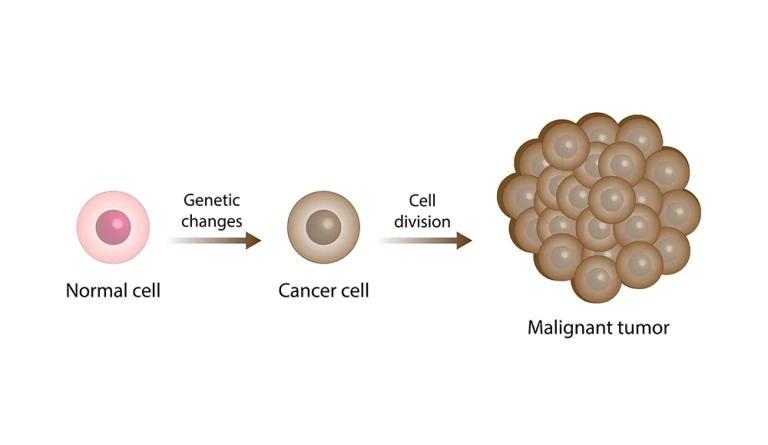
Pancreatic Cancer by Stage (Resectability)
From a surgical perspective, pancreatic cancer is classified by whether the tumour can be safely removed. This helps guide treatment planning. For more details, see our guide on the stages of pancreatic cancer.
-
Resectable
The tumour is confined to the pancreas and can be removed surgically based on imaging and clinical assessment. Surgery is generally a key component of treatment
-
Borderline resectable
The tumour is close to major blood vessels but may still be operable. Treatment such as chemotherapy may be recommended first to improve the chances of successful surgery.
-
Locally advanced
The cancer involves nearby blood vessels or surrounding tissues, making complete surgical removal unlikely. Treatment usually focuses on systemic therapy and disease control.
-
Metastatic
The cancer has spread to distant organs such as the liver or lungs. Treatment focuses on slowing disease progression and managing symptoms.
Causes and Risk Factors
The exact cause of pancreatic cancer is not fully understood. However, several factors are associated with an increased risk.
-
Age
Risk increases with age, with most cases diagnosed in individuals over 55 years.
-
Chronic Pancreatitis
Long-standing inflammation of the pancreas (pancreatitis) is linked to a higher risk, particularly when it persists over many years.
-
Diabetes
Long-standing type 2 diabetes and new-onset diabetes in older adults may be associated with pancreatic cancer.
-
Family history and genetic factors:
Inherited syndromes such as BRCA1 or BRCA2 mutations, Lynch syndrome and Peutz–Jeghers syndrome increase lifetime risk. Genetic counselling may be considered in selected cases.
-
Obesity and diet
Obesity and diets high in processed or red meats are associated with increased risk. Diets rich in fruits and vegetables may be protective.
-
Smoking:
Tobacco use significantly increases the risk of pancreatic cancer.
Symptoms of Pancreatic Cancer
Symptoms often develop gradually and may not be noticeable in the early stages. Many of these signs are non-specific and can overlap with other medical conditions, making careful evaluation important.
-
Jaundice
Yellowing of the skin or eyes, often caused by blockage of the bile duct.
-
Abdominal or Back Pain
Persistent pain in the upper abdomen or back.
-
Unexplained Weight Loss or Loss of Appetite
Ongoing weight loss or reduced appetite without a clear cause.
-
Nausea or Digestive Problems
Nausea, vomiting or difficulty digesting food.
-
Changes in Stool
Pale, oily or foul-smelling stools that may float.
-
New-Onset Diabetes
Sudden development of diabetes, particularly in older adults.
Diagnosis of Pancreatic Cancer
Diagnosis typically involves clinical assessment, blood tests and imaging. In some cases, a biopsy is required to confirm the diagnosis.
-
Blood Tests
Blood tests provide supportive information.
Liver function tests may suggest bile duct obstruction and tumour markers such as CA 19-9 may be elevated. These results are interpreted alongside imaging and clinical findings.
-
Imaging Tests
CT or MRI scans are used to obtain detailed images of the pancreas.
Staging is commonly based on the TNM system (Tumour–Node–Metastasis), which evaluates tumour size, lymph node involvement and distant spread. Vascular involvement is carefully assessed to determine if surgery is feasible.
-
Biopsy
A definitive diagnosis requires examination of a tissue sample under a microscope. This is often obtained through fine-needle aspiration during Endoscopic Ultrasound (EUS).
-
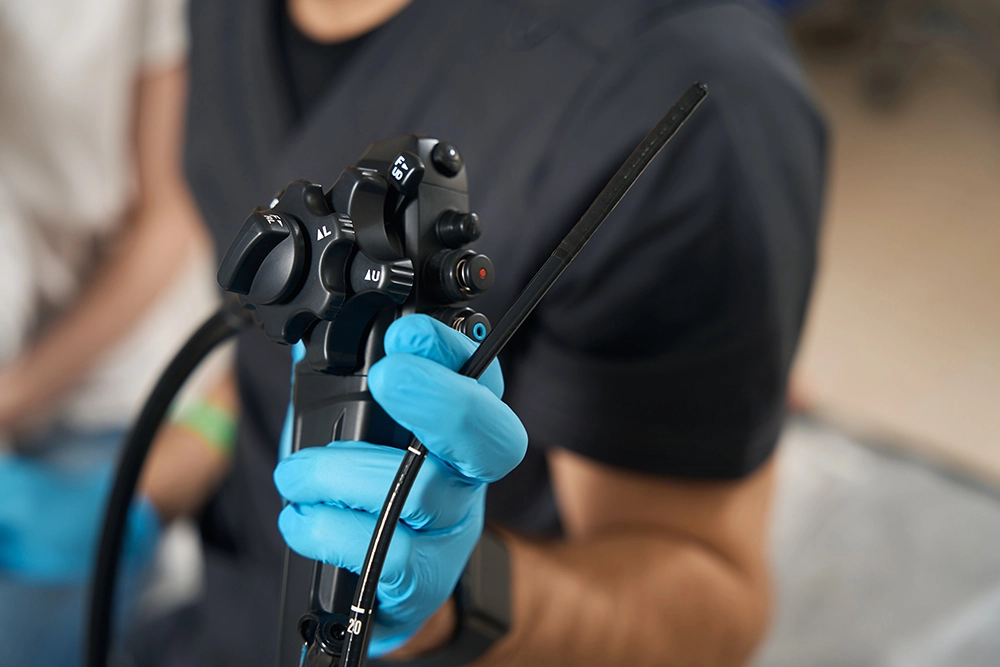
Endoscopic Procedures
Endoscopic Ultrasound (EUS) provides detailed imaging and enables guided biopsy.
Tissue analysis confirms the diagnosis and evaluates features such as tumour differentiation and perineural invasion, which may affect treatment planning.
Pancreatic Cancer Surgery
For selected patients, pancreatic surgery offers the most definitive treatment approach, especially when the tumour is confined to the pancreas and suitable for resection.
Treatment decisions are based on detailed imaging and specialist evaluation.
Types of Pancreatic Cancer Surgery

Whipple Procedure (Pancreaticoduodenectomy)
The Whipple procedure is the most common operation for cancers in the head of the pancreas.
It involves removal of the head of the pancreas, the duodenum, the gallbladder and part of the bile duct, followed by reconstruction of the digestive tract.

Distal Pancreatectomy
Distal pancreatectomy is performed when the tumour is located in the body or tail of the pancreas.
It involves removal of the affected portion of the pancreas and may include removal of the spleen.
Total Pancreatectomy
In selected cases, removal of the entire pancreas may be required.
This operation may also involve removal of nearby structures such as the stomach, small intestine, bile duct, spleen and regional lymph nodes.
When is Pancreatic Cancer Surgery Recommended?
Pancreatic cancer surgery is generally considered when the tumour is classified as resectable, meaning it can be removed completely without significant involvement of major blood vessels.
In some borderline cases, chemotherapy or other treatments may be recommended first to improve surgical feasibility before reassessment.
Preparing for Pancreatic Cancer Surgery
Before surgery, patients undergo evaluation with blood tests, imaging and review by a multidisciplinary team. This helps assess surgical risks, determine suitability and prepare patients for the procedure and recovery.
What to Expect During and After Surgery
Pancreatic surgery is performed under general anaesthesia. Recovery varies depending on the procedure and overall health, with a hospital stay followed by gradual recovery at home.
As with any major surgery, risks such as infection, bleeding or delayed digestion may occur and are monitored closely.
Guidance on Pancreatic Cancer Treatment
If you or a family member would like a surgical opinion or clarification on treatment options, we are available to provide an evaluation.
Reach out to arrange an appointment. Our team can also support you with insurance pre-authorisation and claims processes.
Integrated Treatment Approaches for Pancreatic Cancer

While pancreatic surgery plays a key role for suitable patients, not all tumours are immediately resectable. In such cases, additional treatments may be recommended either alone or in combination with surgery.
Chemotherapy
Chemotherapy uses medication to destroy cancer cells or slow their growth. It may be given:
- Before surgery (neoadjuvant therapy) to shrink the tumour
- After surgery (adjuvant therapy) to reduce the risk of recurrence
- As primary treatment when surgery is not appropriate
Radiotherapy
Radiotherapy uses targeted radiation to eliminate cancer cells. It may be considered for locally advanced disease or for symptom control.
Targeted and Systemic Therapies
In selected patients, particularly those with specific genetic mutations, targeted therapies may be considered. Treatment decisions are guided by tumour biology and overall health.
Palliative and Supportive Care
When the cancer is advanced, treatment may focus on symptom relief and quality of life, including pain control, nutritional support and relief of bile duct obstruction.
Prognosis
The prognosis for pancreatic cancer varies and depends on factors such as stage at diagnosis and response to treatment. Outcomes are generally more favourable when the cancer is detected early and is suitable for surgical removal.
General Outlook
Early-stage pancreatic cancer that is suitable for surgery is generally associated with better outcomes than advanced disease. When the cancer has spread or cannot be removed surgically, treatment focuses on disease control and symptom management.
Survival statistics are based on population data and may not reflect an individual’s situation. A specialist can provide personalised information based on specific clinical findings.
Factors that Influence Prognosis
Several factors affect prognosis, including:
- Stage of the cancer at diagnosis
- Tumour size and location
- Whether the cancer is resectable
- Involvement of nearby blood vessels or lymph nodes
- Overall health and age
- Response to treatment
Because pancreatic cancer varies from person to person, prognosis is best discussed during a specialist consultation, where individual circumstances can be reviewed.
Follow-up and Ongoing Care
Follow-up care is an essential part of pancreatic cancer management, regardless of treatment approach. Regular monitoring helps assess recovery, detect recurrence early and manage long-term effects.
Post-Treatment Monitoring
After surgery or other treatments, patients attend regular follow-up visits. These may include:
- Imaging, such as CT or MRI scans
- Blood tests, including tumour markers where appropriate
- Clinical review of symptoms, nutrition and recovery
Follow-up is typically more frequent in the first few years after treatment, when monitoring is most important.
Managing Long-Term Effects
Treatment can lead to long-term changes requiring ongoing care. These may include:
- Digestive issues due to reduced pancreatic enzyme production
- Blood sugar regulation problems, including diabetes
- Fatigue, weight changes or nutritional challenges
Enzyme supplements, dietary adjustments or medical therapy may be recommended to support daily functioning and quality of life.
Follow-up Schedules and Continuity of Care
Follow-up schedules are individualised based on treatment and overall health. Visit frequency may decrease if recovery is stable. Ongoing communication with the healthcare team remains important to address new symptoms or concerns.

The specialist leading your care
Dr Thng Yongxian
Medical Director, Senior Consultant Pancreas & Hepatobiliary Surgeon
20+ Years of Experience
MBBS (SG) • MMed (Surg) • MRCS (Ire) • FRCSEd (Gen) • FAMS (Surg)
Dr Thng Yongxian is a fellowship-trained HPB and general surgeon with specialised training in minimally invasive and complex abdominal surgery. He previously served as Clinical Lead for HPB Surgery at NTFGH and has extensive experience managing conditions of the liver, gallbladder, pancreas and bile ducts, including pancreatic cancer surgery such as the Whipple procedure (pancreaticoduodenectomy) and pancreatectomy.
In addition to pancreatic cancer surgery, Dr Thng performs advanced laparoscopic procedures and has contributed to national initiatives, including serving on the Ministry of Health Laparoscopic Cholecystectomy Clinician Workgroup for value-driven care.
His surgical work has been presented at international conferences, reflecting ongoing engagement in clinical practice and surgical education.
Patients under his care receive careful evaluation and individualised treatment planning based on their clinical condition and overall health.
Keyhole Surgery Expertise
Extensive experience in minimally invasive abdominal procedures.
Focused on Patient Safety
Care delivered with careful surgical planning and risk assessment.
Timely Access to Care
Credentialed at major private hospitals, with coordinated scheduling for consultations and procedures
Support with Insurance Pre-Authorisations
Assistance with documentation and insurance processes where applicable.
Need a Specialist Opinion?
If you have concerns about your symptoms or recent test results, a consultation can help clarify the next steps.
Contact our clinic to arrange an appointment. Assistance with insurance processes is available.
Frequently Asked Questions
Can pancreatic cancer be detected early?
Pancreatic cancer is often difficult to detect early because symptoms may be subtle or absent. It may sometimes be identified incidentally on imaging. Individuals with significant family history may benefit from specialist assessment.
Is pancreatic cancer curable?
Pancreatic cancer may be potentially curable when detected early and completely removed through surgery. In advanced stages, treatment focuses on disease control.
What is the survival rate for pancreatic cancer?
Survival depends on stage at diagnosis, tumour characteristics and response to treatment. Patients with resectable disease generally have better outcomes. Prognosis should be discussed individually with a specialist.
What is neoadjuvant chemotherapy and when is it used?
Neoadjuvant chemotherapy is given before surgery to shrink the tumour and improve the likelihood of complete removal. It is often considered in borderline resectable cases.
Should I consider genetic testing for pancreatic cancer?
Genetic testing may be recommended for individuals with strong family history or suspected inherited mutations such as BRCA1 or BRCA2, as results can influence treatment planning.
What are BRCA mutations and how do they affect treatment?
BRCA1 and BRCA2 are genes involved in DNA repair. In some patients, inherited mutations may allow consideration of targeted therapies such as PARP inhibitors.
What are the risks associated with pancreatic surgery?
How long is recovery after pancreatic surgery?
Hospital stay may range from several days to two weeks, followed by gradual recovery at home over several weeks. Recovery varies depending on the procedure and individual health factors.
Corporate & Personal Insurance Plans
Our Clinic Location
Precision Surgical Centre
@ Gleneagles Hospital Annexe Block
Precision Surgical Centre @ Gleneagles Hospital Annexe Block
- 6A Napier Road, #03-32 Gleneagles Annexe Block Singapore 258500
- (65) 9838 5827
- (65) 9838 5827
- gleneagles@precisionsurgicalcentre.com
-
Mondays to Fridays: 9.00am - 5.00pm
(Lunch: 1:00pm - 2:00pm)
Saturdays: 9.00am - 1.00pm
Sundays & PH: Closed
Need help navigating your health?
If you’re experiencing symptoms or want to understand your treatment options, contact us today.